
Blog
How to Inline Small JavaScript for Faster Page Speed?
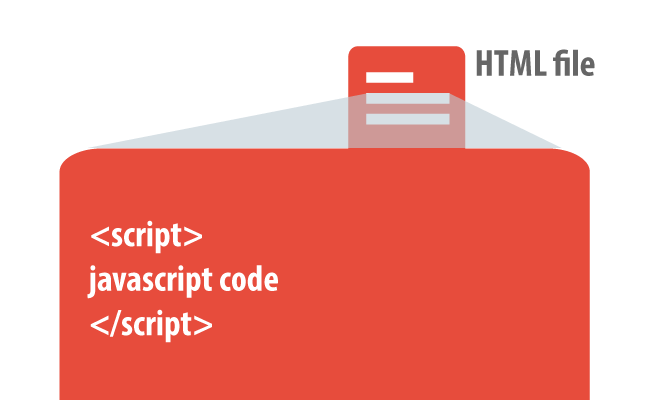
Inline JavaScript entails embedding your JS code directly within your HTML document, eliminating the need for separate external JS files. This approach reduces the number of requests a browser must make before rendering your webpage, potentially speeding up load times. What is Inline JavaScript? Inline JavaScript refers to the practice of directly embedding JavaScript code […]
Keep Alive: How to Enable It to Improve Website Performance?
Understanding and implementing the Keep-Alive feature in web development is not just advantageous—it’s essential. As we delve into the world of persistent connections, the subtle yet profound impact of this feature on enhancing user experience and optimizing server performance becomes evident. Introduction to Keep-Alive Keep-Alive establishes a persistent connection between a web browser and server, […]

Viewport Sizes: All You Need to Know
Navigating the web on mobile devices can be frustrating when content overflows beyond the viewport’s boundaries. This guide explores the critical role of managing viewport sizes to ensure web content not only fits but also adapts seamlessly across various devices. The viewport, defined as the visible area of a web page on a device’s screen, […]

How to Make a Website Mobile Friendly? – Complete Guide
Ensuring your website caters to this mobile audience is paramount. This guide delves into what it means to be truly mobile-friendly, exploring the criteria, methods, and strategies to optimize websites for the best possible performance and user experience on mobile devices. From the foundational principles laid out by Google to the practical steps for implementation, […]

All You Need to Know About Viewport
Viewports play a crucial role in responsive web design, dictating how content adapts to various screen sizes. Without proper viewport configuration, users may struggle with unnecessary zooming and scrolling, particularly on mobile devices, potentially hampering the user experience and how search engines perceive your site. What is a Viewport? The viewport represents the area of […]

400 Bad Request: Meaning, Reasons to Avoid and How to Fix It?
A 400 bad requests errors act as unexpected roadblocks, puzzling both users and webmasters alike. Originating from miscommunications between the client and server, these errors can significantly degrade the user experience and diminish a site’s standing in search engine rankings. Understanding their origins, impacts, and solutions is crucial to rankings. What 400 Bad Request Mean? […]