
Latest update: November 18, 2026
What is digital marketing, and why is it essential now?
Many people use online channels to evaluate and buy products today. So, you need a proper digital presence to grow your customer base. That’s where digital marketing is essential.
Digital marketing brings together various strategies. You usually have to combine them to achieve top results. All your activities have to work together to get more value from your marketing budgets.
We will describe the main types of digital marketing and explain how they work. Keep reading and learn about some of the best methods and tools you can use!
What Is Digital Marketing?
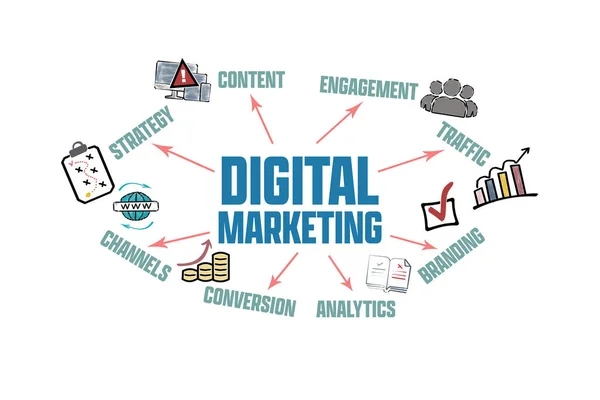
Basically, digital marketing is the promotion of your offerings through online channels and digital technologies.
KB Marketing Agency once stated
“Ignoring online marketing is like opening a business but not telling anyone.”
Businesses use different methods to reach potential customers where they spend time online and encourage specific actions.
Main Objectives of Digital Marketing
Your individual campaigns might differ a lot. However, most digital marketing activities match one or more of the following business objectives.
- Building brand awareness;
- Increasing website traffic;
- Generating leads;
- Driving conversions and sales;
- Improving customer retention.
These objectives are connected. So, you need to define the primary one before choosing a channel. It will be easier to select suitable tactics, allocate resources, and evaluate success.
Organic vs. Paid Digital Marketing
We can typically divide digital marketing into two categories – organic and paid.
The organic approach prioritizes building audience engagement without paying for advertising exposure. Some of the examples include
- SEO;
- Organic social media posts;
- Content creation;
- Unpaid email communications.
You can also pay to reach certain clients through advertising platforms. Some common examples include
- Google Ads;
- Paid social media campaigns;
- Sponsored content;
- Display advertising.
Paid channels can generate visibility and traffic much quicker, but performance depends on many additional factors.
Neither approach is universally better. So, we recommend combining the two to create a more balanced strategy. A Kentucky store owner who searches for a marketing agency louisville, for example, is usually looking for one team to run SEO and paid ads together.
The Main Types of Digital Marketing
You can use several approaches to digital marketing to generate revenue online. Every channel has a different purpose. So, the right mix depends on your target audience and objectives.
We want to tell you more about the main types of digital marketing and how they work.
SEO
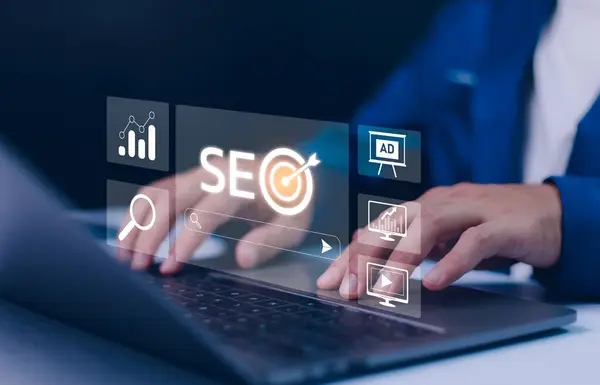
SEO initiatives can boost your website’s presence in organic search results. They help you reach your clientele organically and build a stable source of traffic. For service-based businesses, industry-specific strategies are especially valuable. For example, digital marketing for HVAC companies can combine local search optimization, targeted advertising, and lead generation campaigns to help contractors reach homeowners actively looking for heating and cooling services.
This domain involves several interconnected activities, including
- On-page;
- Off-page;
- Technical;
- Local.
We also want to highlight that it’s important to understand how your potential clients think for effective SEO. You need to do proper keyword research to determine approximate search demand.
Search intent is equally important. You need to match your content to people’s expectations. Plus, you should focus on website performance. Before publishing a page, check that its title tag is clear, relevant to the target keyword, and within the recommended length using a meta title counter.
Social Media Promotion
You can connect with a much larger audience through social networks.
Organic social media promotion includes
- Unpaid posts;
- Stories, videos;
- Community discussions;
- Direct interactions.
You might also use paid advertising tools to
- Promote posts;
- Run video campaigns;
- Generate leads;
- Get website traffic.
Plus, these networks usually offer flexible targeting and ongoing campaign optimization.
PPC Advertising
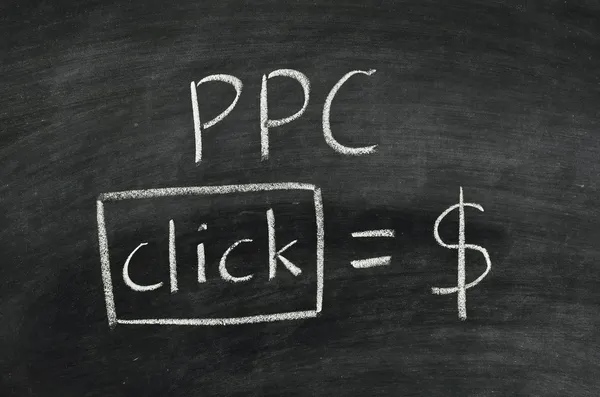
This advertising model charges businesses for every click their ads get.
However, you can’t fully ensure profitable results by spending money on these ads. Your campaign performance depends on many other aspects.
You can choose from several campaign formats, including
- Search ads;
- Display ads;
- Shopping ads;
- Remarketing.
Next, you need to handle segmentation to determine who will see your ads. You can target
- Search queries;
- Locations;
- Demographics;
- Interests;
- Relevant audience segments.
You can also use exclusions to reduce spending on less relevant traffic.
Content Marketing
This marketing approach enables you to build stronger audience relationships through relevant content.
You might use diverse formats depending on your resources. Some of the main content types are
- Blog posts;
- Case studies;
- Ebooks;
- White papers;
- Infographics;
- Webinars.
You have to decide on the format depending on your audience’s needs. Plus, you will need a distribution plan to help the right people discover your assets.
You could also reuse your existing content to streamline the process. You can adapt any piece you created to other channels.
Email Campaigns
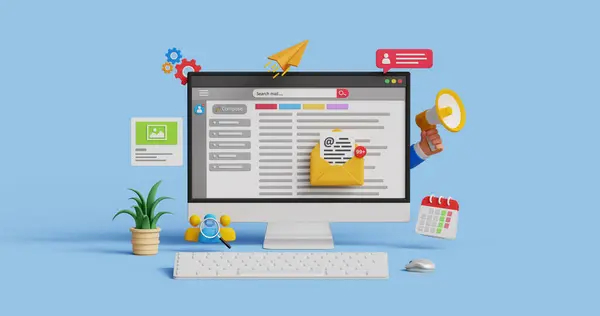
Email campaigns can help you find new customers and retain your current ones. It can be your communication channel throughout the entire customer journey.
You can use different email types to achieve your goals, including
- Newsletters;
- Welcome sequences;
- Abandoned-cart emails;
- Retention campaigns.
Beyond traditional promotional emails, businesses can integrate a gift card program into their email marketing strategy to encourage repeat purchases, reward loyal customers, and support seasonal promotions. Digital gift cards can also be incorporated into retention campaigns and personalized customer offers, helping brands strengthen long-term engagement.
You might also incorporate promotional messages and announcements to support these formats.
Relevance is also a critical element of effective email marketing. You’ll need a proper strategy for organizing your subscribers into different categories. So, you can adapt campaigns to their specific needs.
Affiliate Partnerships
Affiliates can promote your products across multiple platforms. They’ll earn a commission for every referral that meets your criteria.
This model typically includes three core participants:
- The business or merchant;
- The affiliate;
- The affiliate network or platform.
You can manage these programs yourself or use a dedicated partnership management platform.
Affiliate programs can use different payment models depending on your desired outcome.
Common structures include
- Cost per sale;
- Cost per lead;
- Cost per action;
- Commissions.
You will need specialized tracking tools to attribute conversions correctly and calculate commissions. Plus, you have to describe commission eligibility and payment schedules in your terms.
Mobile Campaigns
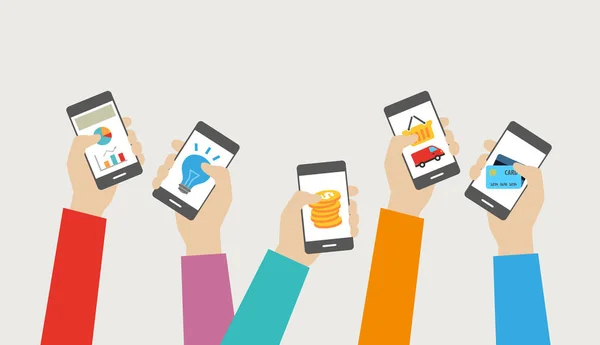
People now mostly use mobile devices to buy anything. So, mobile advertising can be pretty effective for your individual campaigns and broader strategies.
Yet, you should understand how people interact with these devices. Make sure to create simple messages and CTAs. You also have to weigh the context and timing of your communications.
You might try diverse mobile marketing tactics, including
- SMS campaigns;
- Push notifications;
- Mobile apps;
- Mobile advertising.
Page speed is another important point. You have to monitor Core Web Vitals and utilize performance testing tools regularly.
Plus, your website should provide consistent information on all devices. You have to ensure that your ads and messages lead to landing pages that match their promises.
This matters most for local service businesses. Someone searching for a mechanic on their phone usually wants to book a slot, not read a brochure. So, the landing page should let them pick a time in a few taps. Many workshops now use scheduling software built for auto repair shops to take bookings online, manage their calendar, and reduce no-shows. That turns a mobile click into a confirmed appointment.
Digital PR
Digital PR can strengthen your presence through media mentions and editorial coverage. You can use it to attract new clients and get mentions from respectable websites.
You can use diverse tactics, including
- Media outreach;
- Expert commentary;
- Digital press releases;
- Link-earning campaigns.
You have to provide original data and influential industry findings.
Digital PR can improve your overall marketing performance a lot. Plus, editorial mentions might enhance your SEO profile.
Your Digital Marketing Toolkit for 2026
The right digital marketing tools will help you plan quality campaigns. However, you don’t have to add every available platform to your toolkit.
We gathered some useful tools for the main types of digital marketing covered in this guide.
| Marketing Type | Recommended Tools |
|---|---|
| SEO | GSC, Ahrefs, Semrush |
| Content marketing | WordPress, Grammarly, ChatGPT |
| Social media marketing | Buffer, Hootsuite, Meta |
| PPC advertising | Google Ads, Microsoft Advertising |
| Email marketing | Mailchimp, Brevo, Klaviyo |
| Affiliate marketing | PartnerStack, Awin |
| Mobile marketing | OneSignal, Twilio, Firebase |
| Digital PR | Muck Rack, BuzzStream |
Tracking Your Digital Marketing Performance
Ongoing performance monitoring is critical for digital marketing. It allows you to determine the channels that actually deliver results.
You just have to track metrics that align with your business goals. These can include
- Website traffic;
- CTR;
- Conversion rate;
- Cost per click;
- Customer acquisition cost;
- Return on ad spend;
- Customer lifetime value.
You can use this data to improve weaker campaigns and use your marketing budget better.
Conclusion
Choosing the right types of digital marketing starts with understanding your business goals and your clients’ needs. Some of the key marketing types you can use include
- SEO;
- Content marketing;
- PPC;
- Social networks;
- Email campaigns;
- Affiliate marketing;
- Digital PR.
However, you don’t necessarily have to be active on all these channels. You can modify your strategy and use different instruments at any time.